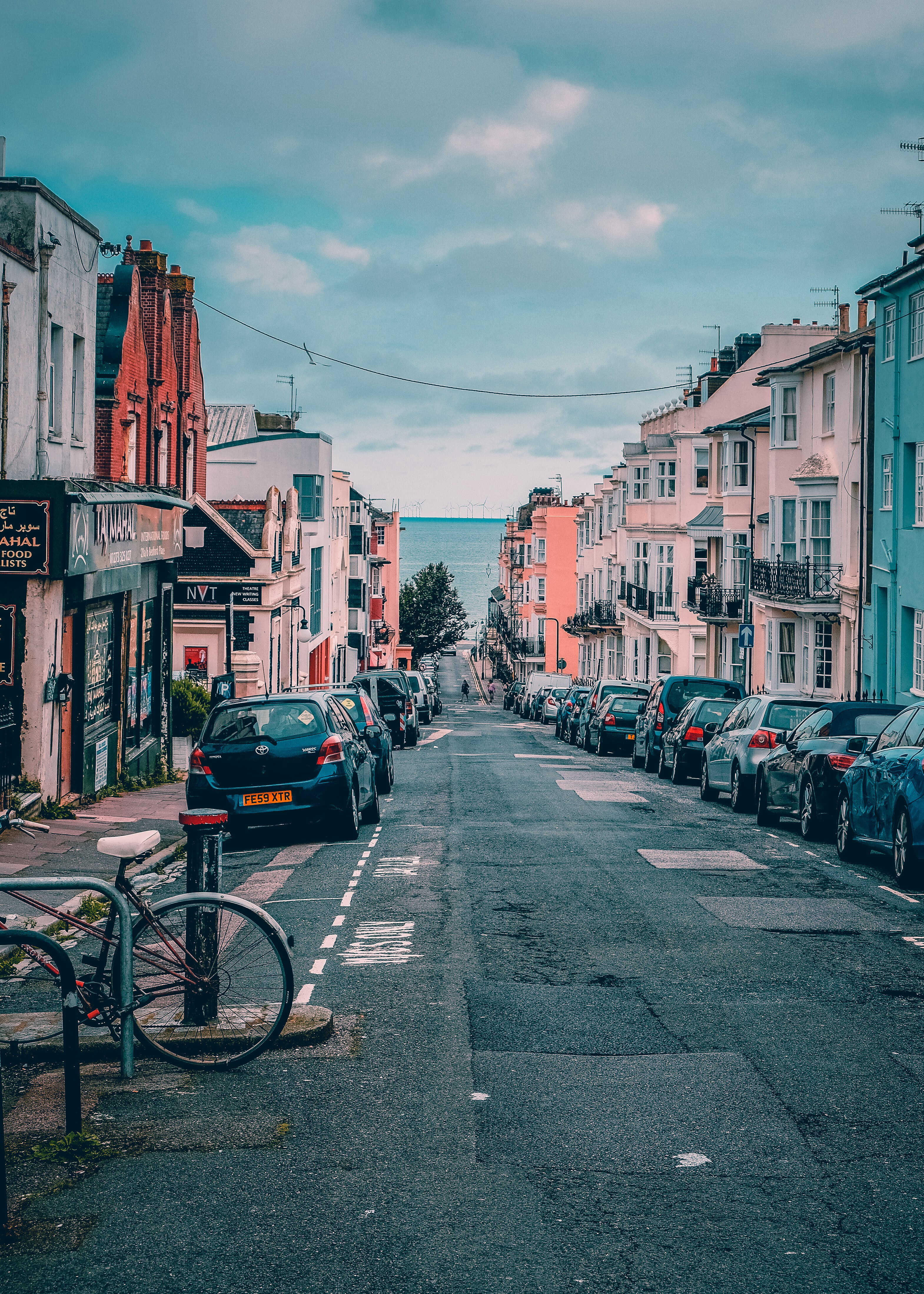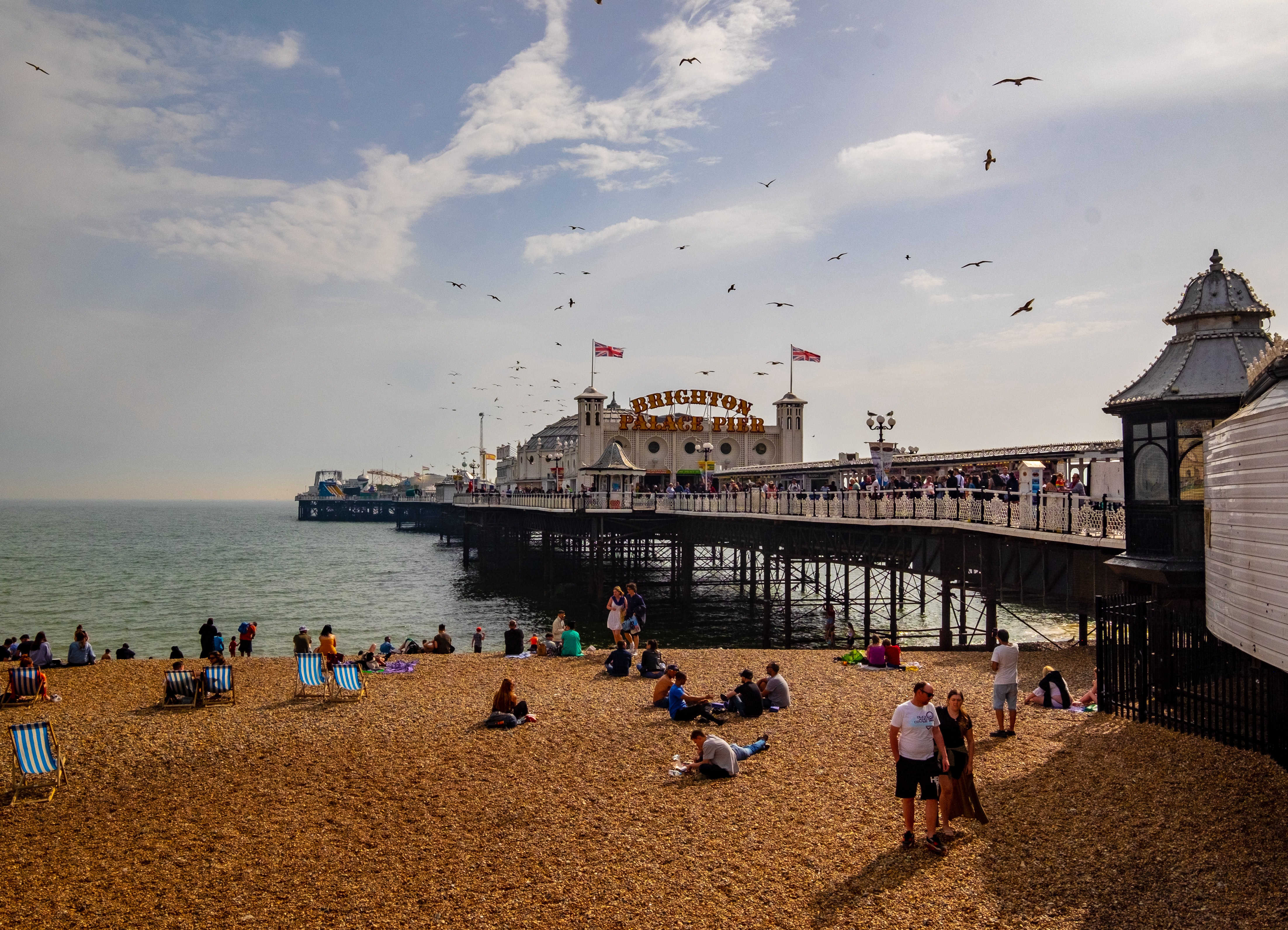

Brighton sits on the south coast of England, an hour from London by direct train, and it is the closest thing Britain has to a city built for students who want the sea without giving up a city.
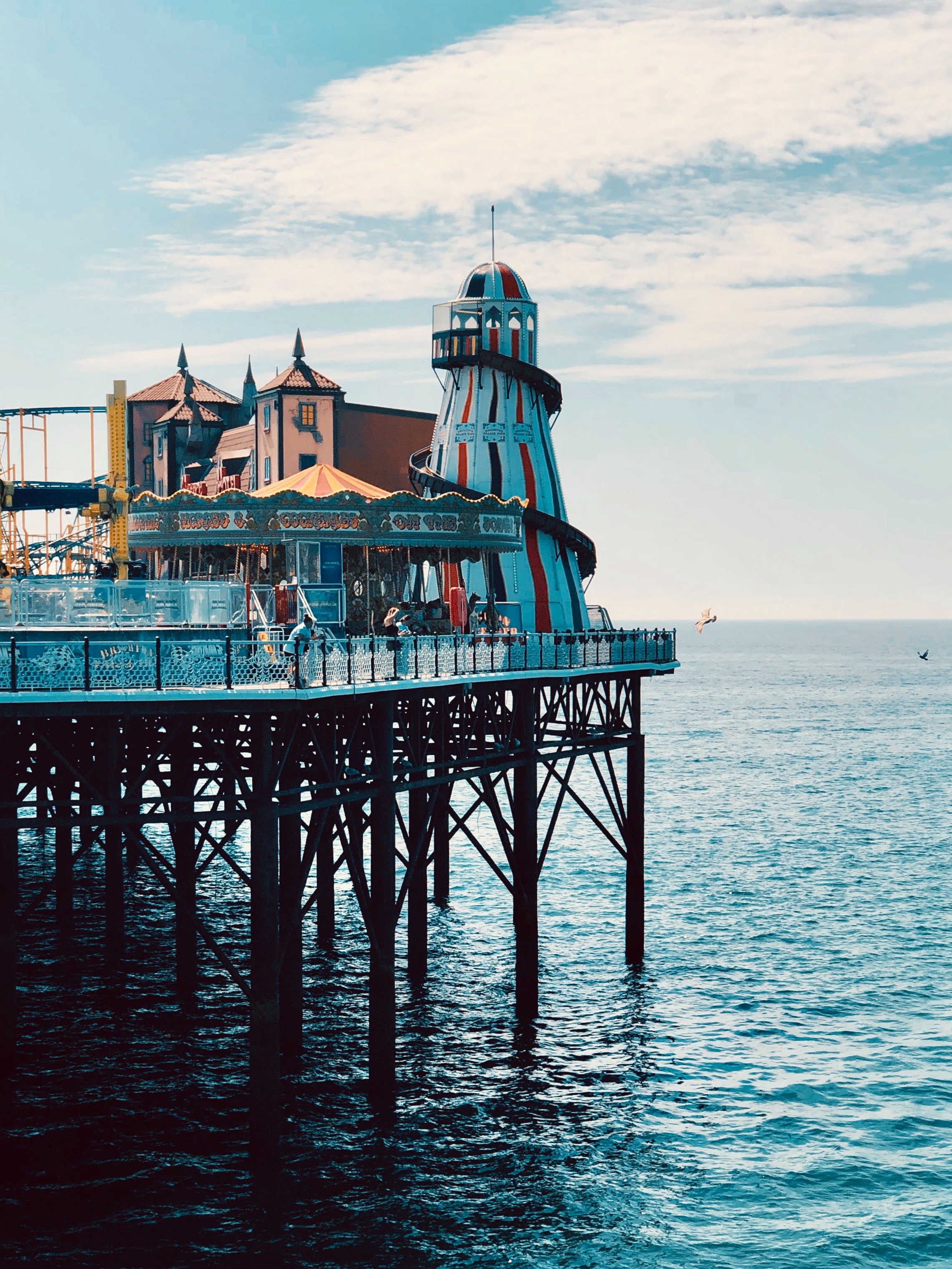
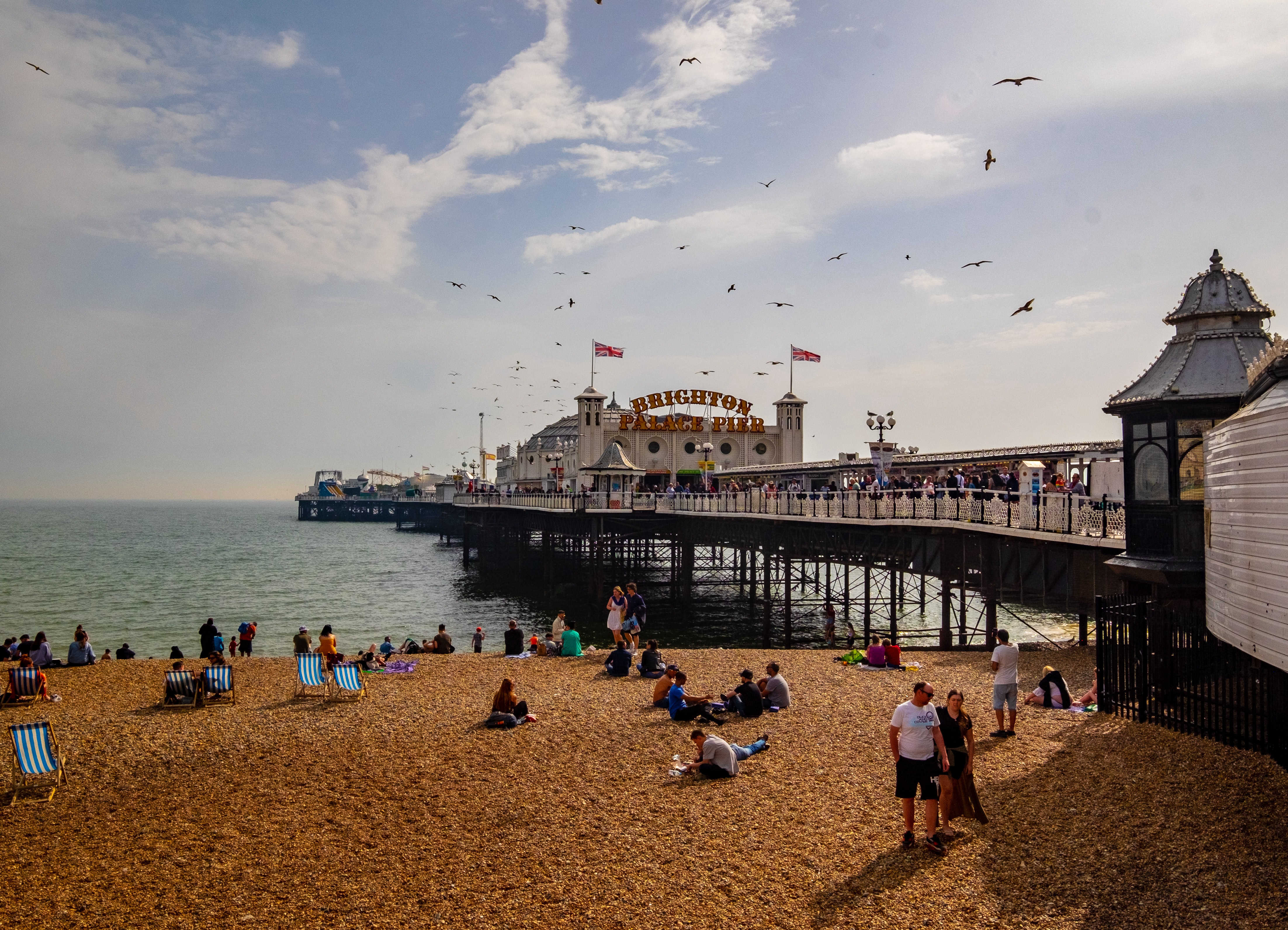
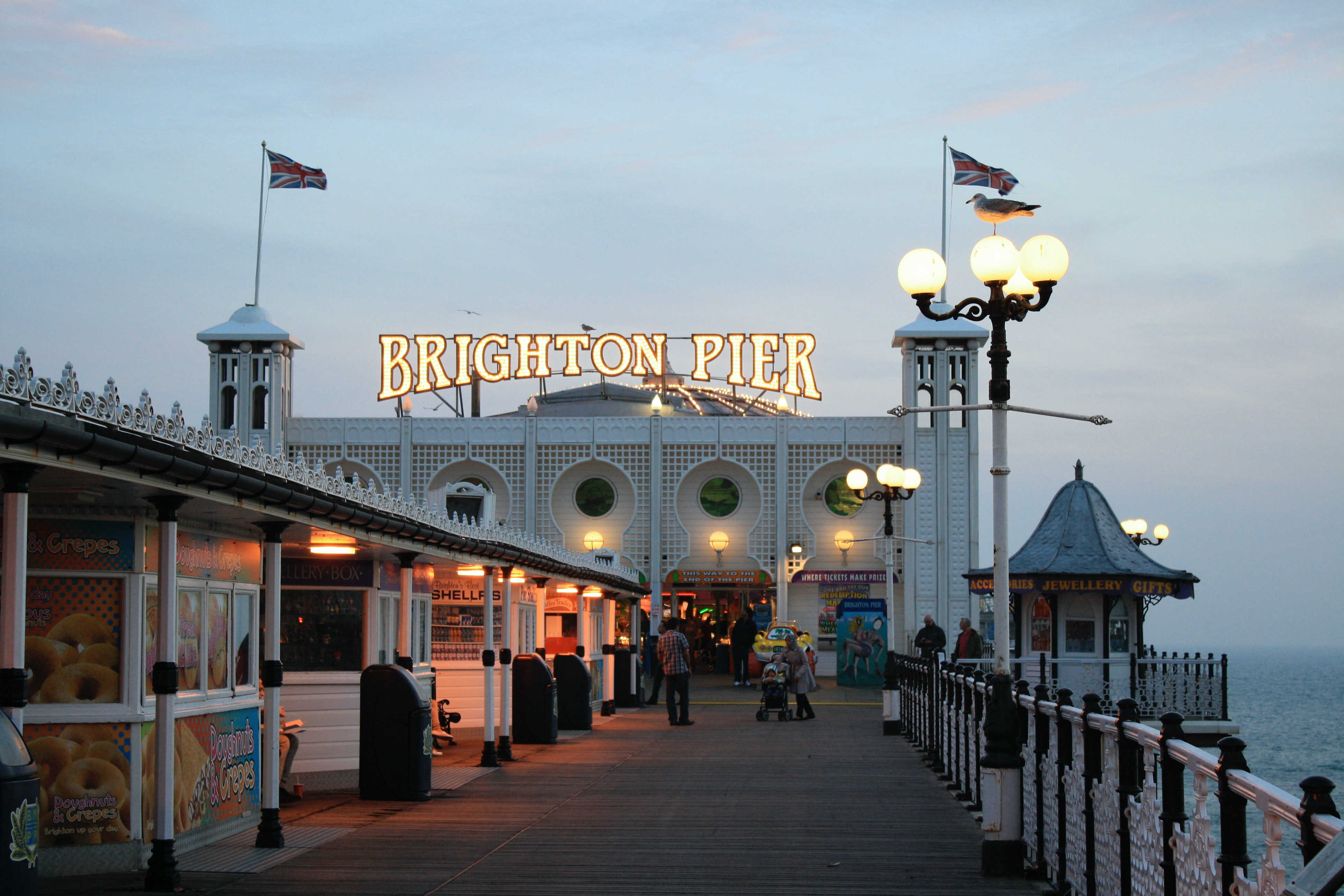
The place has a distinct character that people either take to immediately or do not. Brighton is informal, liberal and a bit theatrical. The Lanes are a warren of narrow alleys full of independent shops, record stores and cafés; the Royal Pavilion is an Indo-Saracenic palace built by a prince regent with no restraint; and the seafront runs for miles with a pebble beach, a Victorian pier and the burnt skeleton of a second one. It is not a polished resort and does not try to be.
For a language student the important feature is the size. Brighton is big enough to have a real city's amenities — venues, restaurants, a university population, a year-round cultural calendar — and small enough that you can walk from the station to the sea in fifteen minutes. That combination is rare. Most seaside towns empty out in winter; most cities have no sea. Brighton has both, and the student population keeps it alive through the academic year rather than only in summer.
The London connection is a practical asset rather than a footnote. Direct trains run frequently and take about an hour, which means London's museums, galleries and airports are day trips rather than expeditions. You can live in a cheaper, calmer coastal city and still use the capital. For students choosing between the two, this is the argument that usually settles it.
Brighton's festival season is genuinely substantial. The Brighton Festival and Brighton Fringe in May turn the whole city into venues for several weeks, and Pride in August is one of the largest in Europe. If your dates overlap with either, expect the city to be busier and accommodation to be tighter — and expect a great deal more to do.
Cost sits below London and above the northern cities. It is a popular place to live and prices reflect that, but the gap with the capital is real and worth counting if you are choosing between them.
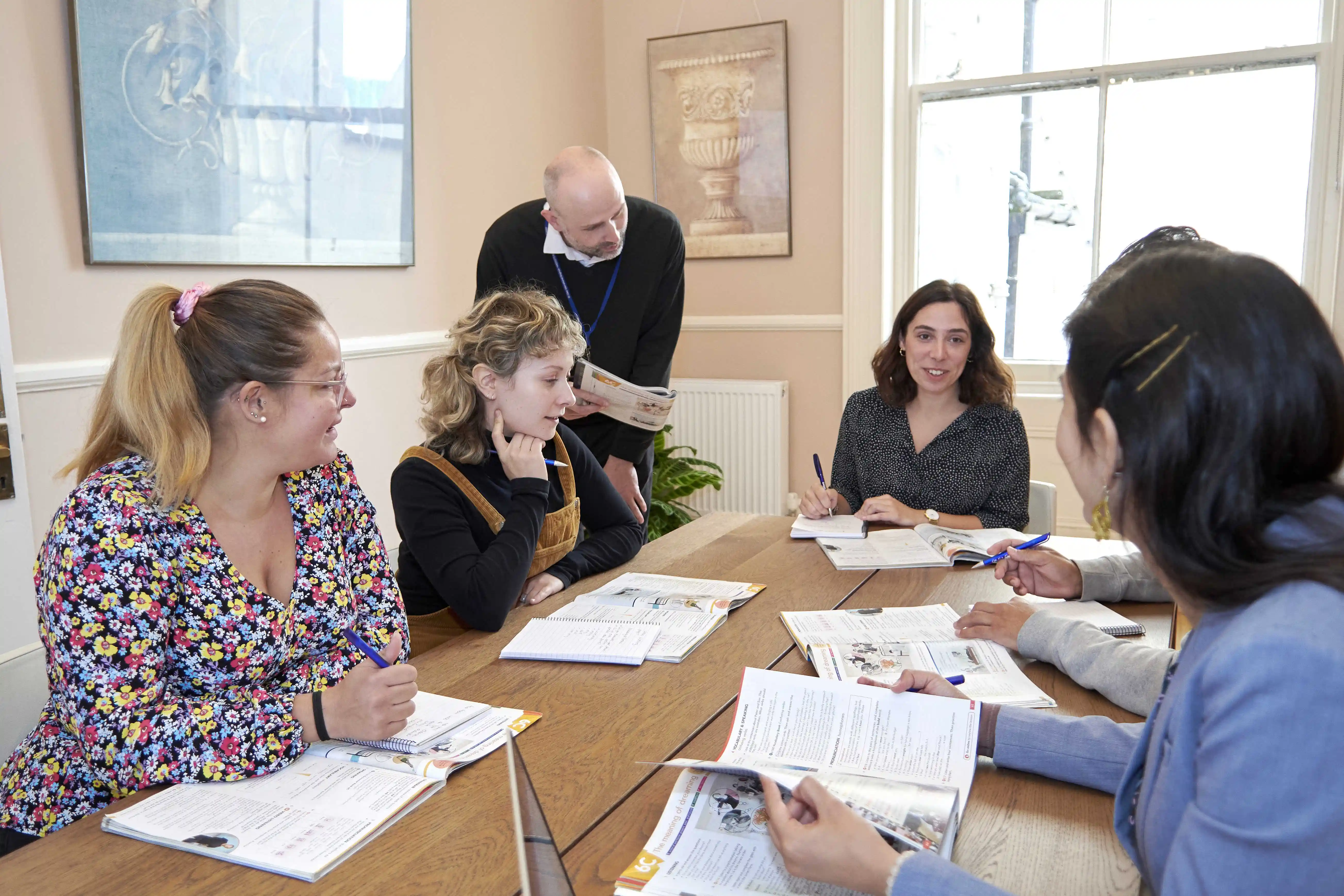
Studying here. Topstudy works with five schools in Brighton — St Giles Brighton, Bayswater Brighton, EC Brighton, Oxford International Brighton and LSI Brighton — which is the second-widest choice after London. Between them General English, Semi-Intensive and Intensive are all available, and St Giles runs an afternoon course that frees the morning. With five schools in a city this walkable, it is worth comparing atmosphere and class size rather than assuming the programmes are interchangeable.
Accommodation. Host families are common in Brighton and the town is small enough that a family placement rarely means a long commute — which is not true in the bigger cities. St Giles Brighton also places students in George Street Residence, Phoenix Hall, The Old Ship and Kings Hotel, the last two being seafront properties. Ask which you are being offered and where it sits relative to the school and the sea.
Weather. Milder and sunnier than most of Britain — the south coast usually is — but windy, and the sea is cold most of the year. The beach is pebble rather than sand, which surprises people expecting Mediterranean conditions.
Who it is for. Students who want the sea and a city at once; anyone who finds London too large or too expensive but wants it within reach; and students drawn to an informal, creative place rather than a traditional one.
Get a Quote Now