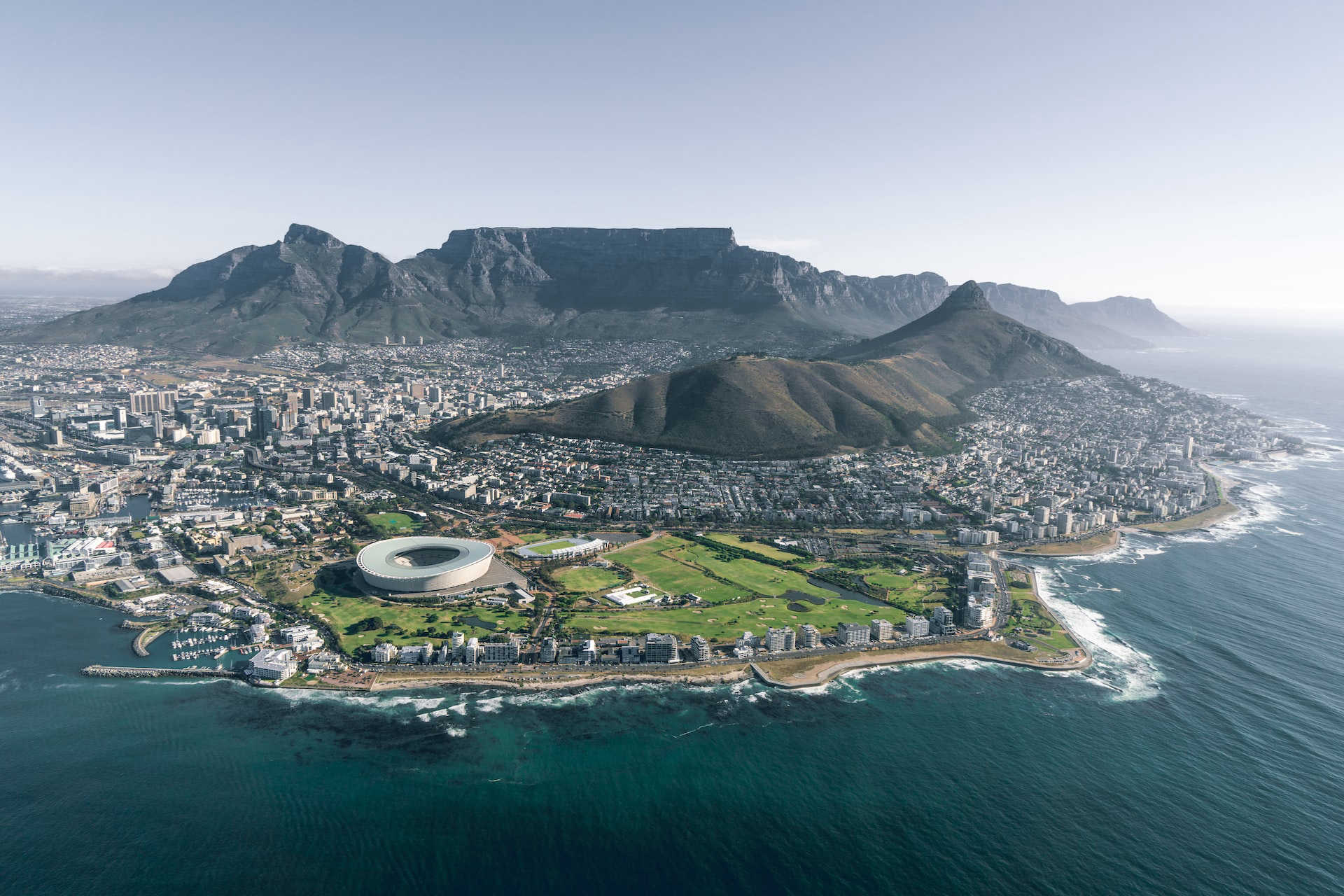

Cape Town sits between a flat-topped mountain and two oceans, and the setting is not decoration — it is the reason most students pick it over a European city at the same price. Table Mountain rises directly behind the centre and is climbed, or reached by cable car, on an ordinary afternoon. The Atlantic beaches at Camps Bay and Clifton are twenty minutes from town. The Cape Winelands start an hour inland.
The practical argument is the exchange rate. For a student earning or saving in euros, pounds or lira, Cape Town delivers a standard of living that the same weekly budget does not buy in the UK, Ireland or the US — in eating out, in transport and in what a weekend costs. That single fact is why it appears on shortlists next to cities twice its price.
The seasons are the other structural advantage, and they are inverted. Cape Town's summer runs from December to February, so studying here through the European winter means long days, swimming weather and the city at its most alive, rather than four months of rain. The winter, June to August, is cooler and wet — cheaper, quieter, and the time to come if you want the city to yourself.
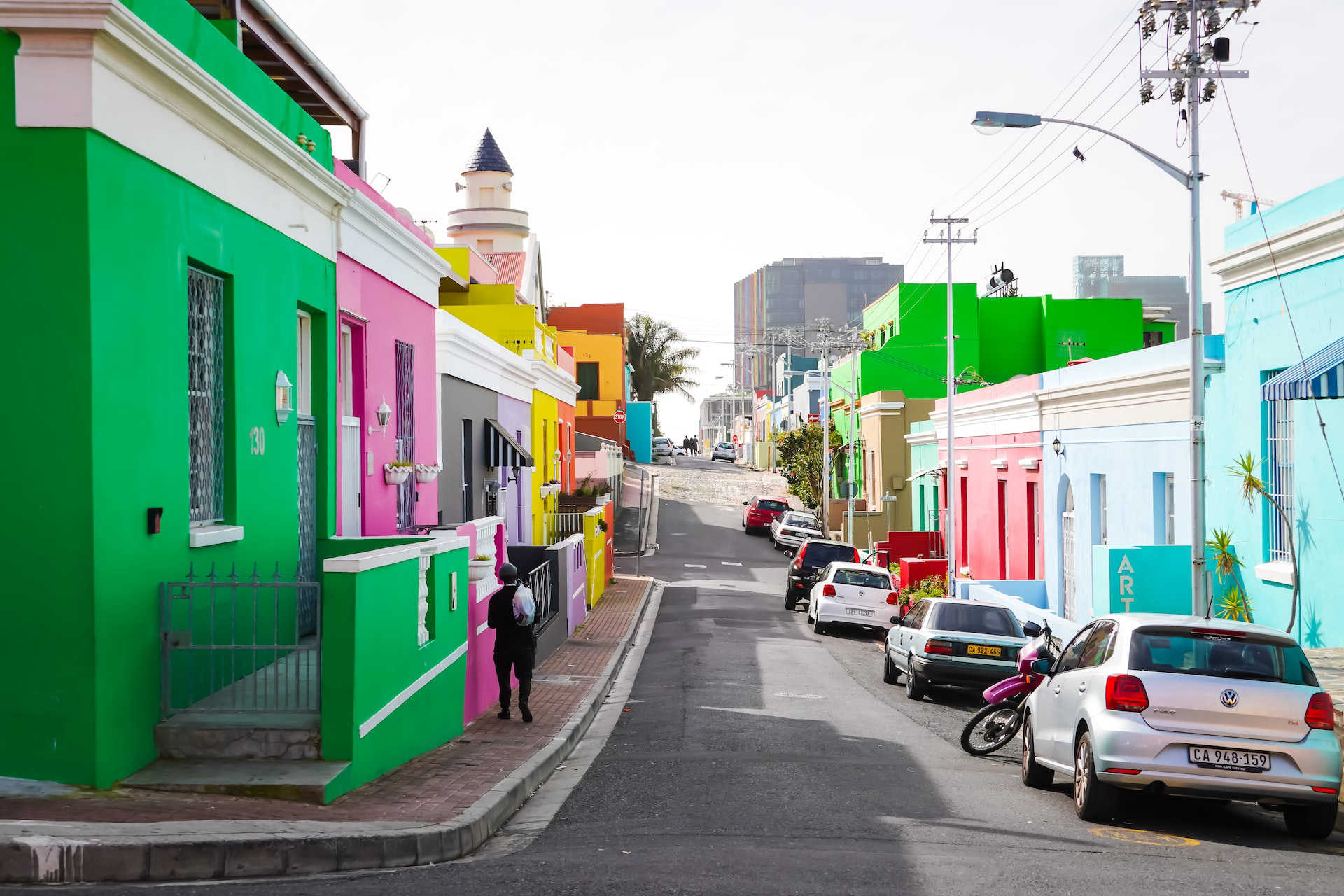
The V&A Waterfront is the centre of gravity for visitors; Bo-Kaap, with its painted houses and Cape Malay history, and the District Six Museum are where the city explains itself. Further out, Cape Point, Boulders Beach with its penguins and the coastal road to Hout Bay are day trips rather than expeditions.
English is one of South Africa's official languages and is the working language of business, higher education and most of Cape Town's daily life, which puts the city closer to Malta than to a continental European destination in this one respect: you are not stepping outside your English at the school door. You will hear Afrikaans and isiXhosa alongside it, which is context rather than obstacle.
Getting around is mostly the MyCiTi bus network along the main corridors and ride-hailing apps, which are widely used and inexpensive by European standards. Most students end up using both, and neither requires a car.
Two things to weigh. As in any large city, some areas and some hours are better avoided, and the sensible approach is to ask your school and your hosts rather than guess — local advice here is specific and freely given. And distances are real: Cape Town is spread along the coast, so where you live relative to your school matters more than it would in a compact European town.
Studying here. Topstudy works with two schools in Cape Town. Bayswater Cape Town offers General English, Semi-Intensive English and Intensive English; EC Cape Town offers General English and Intensive English. Between them a standard week, a middle load and a full intensive timetable are available.
Accommodation. Accommodation in Cape Town is arranged school by school and the options available on your dates are best confirmed directly, along with where they sit relative to the school.
Who it suits. Students whose budget would be stretched thin in Western Europe and who want that money to go further without dropping the standard; anyone who wants to study through the European winter in summer; and students for whom the outdoors — mountain, ocean, road trips — is part of why they are going abroad at all.
Get a Quote Now